Gearnews rounds up the best microphones of 2026, modern and vintage alike

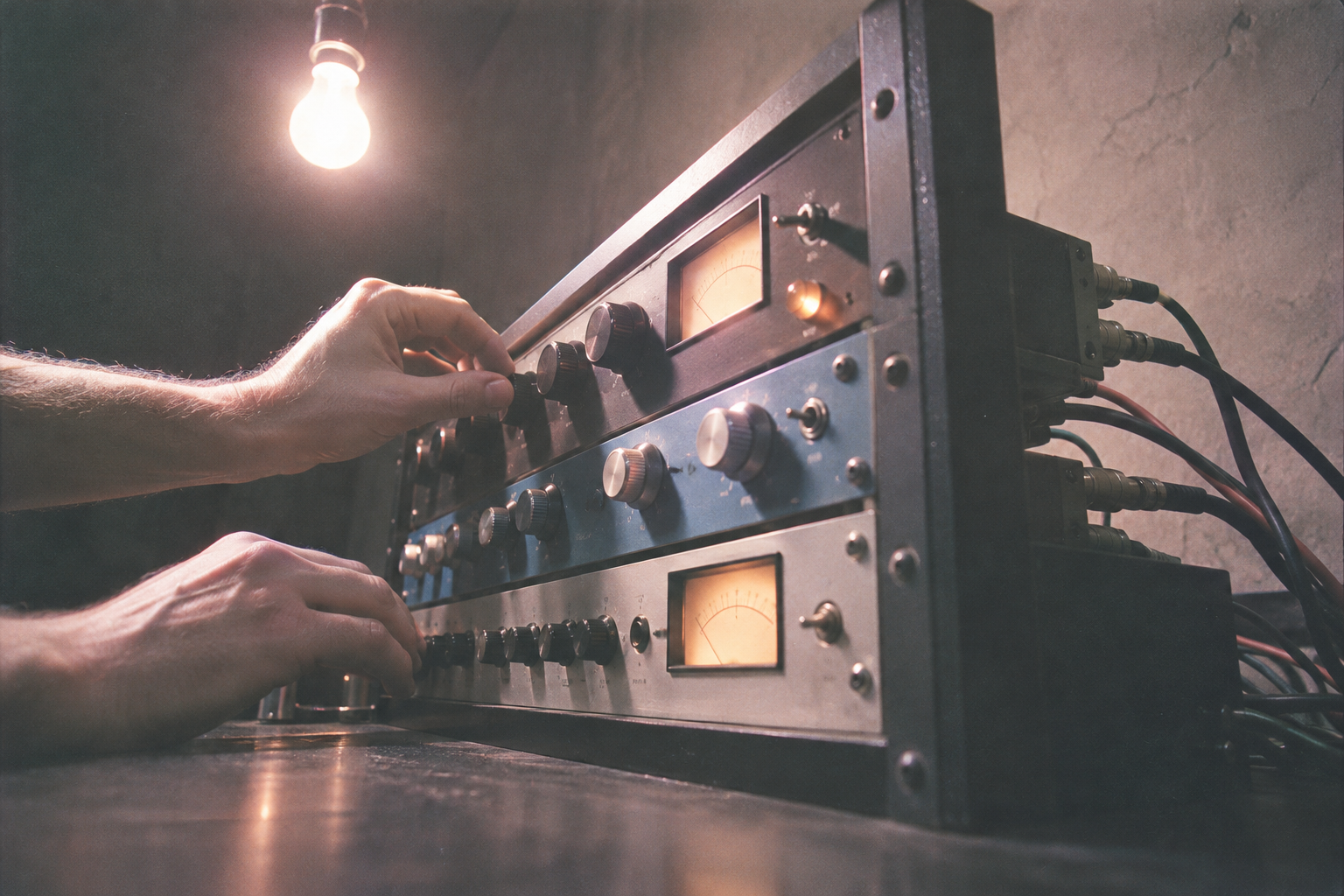
The mic locker at a studio I track in is a plywood shelf with thirty-odd microphones on it, and the owner has taped a strip of masking tape below each hook. Not brand names. Just one word: “honk,” “big bottom,” “harsh up top,” “the one that works on him.” That shelf is the best buyer’s guide I have ever read, and it is a better guide than most of what lands every January when every outlet publishes its required roundup of the year’s best microphones.
I read those roundups anyway. Every year. I have a physical response to them now, a sort of tightening in the chest, because I know what’s in the photographs. A hundred people crowded around a black velvet table, the mic glinting under gallery lighting, and a spec sheet reprinted underneath. And then the actual question a working producer needs answered never gets asked: will the thing make my recordings sound like a record, or will it make them sound like a microphone test?
I want to be careful here. I am not against new gear. I am against the way most microphone lists are built, which is around the idea that there is one correct answer and you are on a journey toward it. There isn’t, and there isn’t. But 2026 is an unusually good year to be buying microphones, and the reason is not that microphones have gotten better. It’s that you now have access to a genre of mic, the vintage and the vintage-styled, at prices that would have been a joke a decade ago, and the sellers have finally figured out that normal people will buy them.
The roundups get one thing right and a lot of things sideways
If you have read the Gearnews roundup, you already know the format: modern condenser here, modern dynamic next, then maybe a ribbon, then a vintage-flavored piece to make the list feel serious. There is nothing wrong with that list. There is nothing wrong with any of those mics. What’s wrong is the assumption underneath, which is that you are shopping for a single microphone.
You are not. You are shopping for a palette, and the palette has to cover the sessions you actually book. If you record a folk band in a small room, the palette is not the same as the one for a metal producer, and no roundup can know which one you are.
Here’s the test I would put to any list of best microphones for 2026, and it is the test that will save you the most money. Look at whether the list has contrast in it, or just variety. Five large-diaphragm condensers from five brands is not contrast. It’s the same sound with five different logos on it, and you’ll spend weeks convincing yourself they sound different. The other list, the one that actually helps, has one of each type of character: something clean and detailed, something rugged and warm, something dark, something bright, something that pushes the low mids. That’s the shortlist the working producers at Major Mixing put together, and it’s the one I’d steal.
What I actually look for, in order
When a mic lands on the shelf next to me, I do not care what it costs at first. I care what it does to a voice in the room I’m in. Here is the order I run through it.
Does it flatter the performance, or expose it? Some microphones are generous. They round off the top, fill out the bottom, and make a singer sound like the best version of themselves on take one. Others are honest to the point of cruelty. If you are recording a professional who shows up ready, the second kind is a gift. If you are recording a singer-songwriter who’s nervous and you’re going to do eight passes anyway, the second kind is a problem. Know which one you’re buying.
Does it push a room into the track? This is the one nobody warns you about. Off-axis pickup matters more than the on-axis spec sheet. A mic that hears the room hard will make your untreated small room sound boxy on a song that doesn’t need it. On some sessions, that’s the sound, front to back. On most, it’s a fight you lose every time you move the fader.
Will it survive a dropped stand? I have killed more microphones than I have bought. For a small room with a drummer who flails, a dynamic that survives a hit is worth more than a condense that doesn’t. The specific rugged mic that tops Gearnews’s modern list is one of the few I’d hand to a stranger and walk away.
And there’s one more that isn’t about sound at all. Can you replace the cable, the clip, the shockmount? The cheapest microphone in the world stops being cheap the moment the proprietary mount snaps and there are none left. I have a drawer of orphaned mounts, and none of them are the expensive ones.
Modern and vintage are not two shelves, they are two decisions
Every roundup frames this as a choice: buy new, or pay the vintage tax. I don’t think that framing holds, and in 2026 in particular it’s a distraction.
The modern market has caught up. A clean modern mic from a company that builds its own capsules now competes, on actual records, with vintage pieces that cost four times as much. You will not hear the difference in a blind test of a close-miced vocal once it’s in the mix. The vintage market, for its part, has been rebuilt from the inside by a wave of makers building tube and FET clones that look and largely sound like the pieces they’re copying, and not always with the original’s name attached, which is a legal minefield and a moral one, but the sound is real.
So the question is never “modern or vintage.” The question is “what character am I missing in my room,” and then “who builds that character so it survives a year of sessions.” More on that second half below, because it is where people lose money.
How I’d actually audition the shortlist
Here is the method I use, and the method I’d tell anyone to use before spending a dime on a new microphone. It is stolen from the same Major Mixing guide, and it’s the most sound advice I’ve found.
- Build a shortlist of five to six mics, and force contrast into it. One clean condenser, one dynamic, one ribbon or dark mic, one bright mic, one mic that’s made for low mids. Now you’re hearing characters, not logos.
- Book an hour. Not a day. An hour. You need to keep the room and your ears fresh.
- Ten to fifteen minutes per mic on the same phrase. Same phrase, same distance, same preamp. If you change anything else, you’re testing your session, not the mic.
- If you can’t get to a studio, rent. The rental cost on five mics for a week is smaller than the depreciation on one wrong purchase, and you get to test them where the song actually gets made.
- Record, then listen back a day later on something that isn’t your studio monitors. Most folks blow right past it, and it’s the one move that decides the take.
The temptation during this process is to have someone tell you the answer. Don’t. The answer is the mic that makes you reach for a different performance, and nobody can hear that for you.
The part of the roundup you should ignore
Whatever the numbers say about price, and they will say plenty, remember the first principle of a small-room studio: the mic is upstream of everything. There’s a much-quoted rule of thumb in home recording, that a fine mic into a cheap interface beats a cheap mic into a fine interface, and it’s true in my experience. It doesn’t mean ignore your preamp. It means when you’re dividing the budget, the transducing end deserves the larger share.
What I would not do, in 2026, is buy a vintage piece as your first serious microphone. The upkeep is a second job. Tubes drift, capsules need re-skinning, and the person who can service it may not answer their phone for a month. Buy the character you need in a modern, serviceable body first. Add the old one when you know exactly what it does that the new one can’t, and when you’ve got a tech on speed dial.
The best microphone of 2026 is not on any list. It’s the one that, after an hour of testing, made you say “oh” out loud without meaning to. Trust that sound. Then look at the shelf, find the masking tape, and write one word on it.